

British Honduras British Honduras 50 cents, 1911-1919
Description:
50 cents British Honduras 50 cents, 1911-1919 coin from British Honduras. Design, history & value.
Introduction
The British Honduras 50 cents silver coin, minted from 1911 to 1919, holds a significant place in numismatic history. This coin, issued under British rule, showcases the colonial influence on currency design and production.
Historical Background
British Honduras, present-day Belize, was a British colony from 1885 to 1973. During the reign of King George V, the British Honduras 50 cents coin was introduced, reflecting the imperial connection through the depiction of the monarch on the obverse.
Coin Images
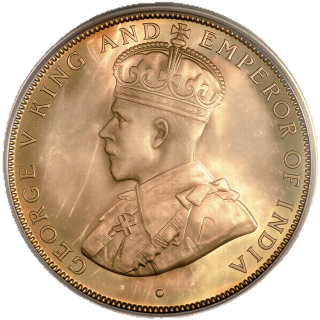 Obverse
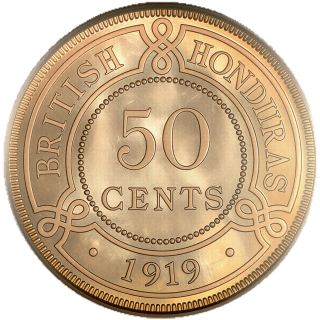 Reverse
Design Features
The obverse of the coin features the monogram "BM" below the bust of King George V, along with the inscription "GEORGE V KING AND EMPEROR OF INDIA." The reverse displays the numerical value "50 CENTS" above the country's name "BRITISH HONDURAS," encapsulating its colonial identity.
Technical Specifications
This 50 cents coin weighs 11.62 grams, with a diameter of 30.50mm. It is composed of 92.5% silver, adhering to the standard silver content prevalent in that era. The intricate design and precise specifications make it a noteworthy piece for collectors.
Collectible Value
Due to its historical significance and limited mintage period, the British Honduras 50 cents silver coin from 1911-1919 holds both numismatic and historical value. Collectors seek out this coin for its rarity and connection to British colonial history, making it a sought-after piece in the numismatic community.
Conclusion
In conclusion, the British Honduras 50 cents silver coin from 1911-1919 stands as a tangible link to the colonial past of Belize under British rule. Its exquisite design, historical context, and collectible value make it a prized possession for numismatists and history enthusiasts alike. Owning this coin not only adds a unique piece to a collection but also preserves a slice of Belize's numismatic heritage.

ScanMyCoin: AI Coin Recognition
Professional AI coin recognition and collection management platform. Identify, learn, and track your coin collection with advanced AI technology and a vast.