

British East Indies British East Indies ½ rupee, 1815-1816
Description:
½ rupee British East Indies ½ rupee, 1815-1816 coin from British East Indies. Design, history & value.
Introduction
The British East Indies ½ rupee gold coin minted between 1815-1816 in Java holds a unique place in numismatic history. Known for its exquisite design and historical significance, this coin attracts collectors and enthusiasts worldwide.
Historical Background
Issued by the British East Indies, this coin circulated during the British occupation of Java from 1811 to 1817. The ½ rupee denomination was crucial for trade and commerce in the region, reflecting the colonial power's influence on the local economy.
Coin Images
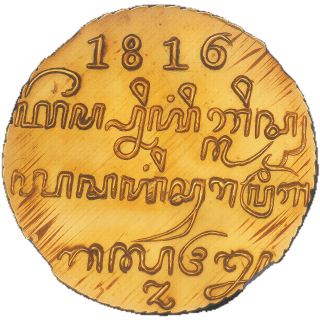 Obverse
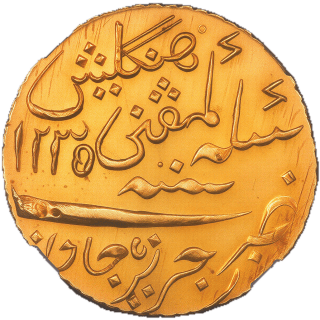 Reverse
Design Features
The obverse of the coin features a legend that remains unidentified, adding an air of mystery and intrigue to this historical artifact. On the reverse side, another enigmatic legend is displayed, inviting further exploration into the coin's origins and purpose.
Technical Specifications
This ½ rupee coin weighs 8.06 grams and consists of 83.3% gold, highlighting its intrinsic value and quality craftsmanship. The coin's size and composition make it a desirable addition to any numismatic collection, showcasing the artistry of the era.
Collectible Value
Due to its limited mintage and historical significance, the British East Indies ½ rupee coin from 1815-1816 holds considerable collectible value. Numismatists prize this coin for its rarity and connection to a pivotal period in colonial history, making it a sought-after item in auctions and among collectors.
Conclusion
In conclusion, the British East Indies ½ rupee gold coin from 1815-1816 stands as a testament to the intersection of history, art, and numismatics. Its unique design, historical context, and collectible value make it a prized possession for enthusiasts seeking to delve into the rich tapestry of colonial coinage. By exploring the intricate details and significance of this coin, collectors and history buffs alike can appreciate the enduring legacy of the British East Indies' numismatic contributions during the early 19th century.

ScanMyCoin: AI Coin Recognition
Professional AI coin recognition and collection management platform. Identify, learn, and track your coin collection with advanced AI technology and a vast.