

British East Indies British East Indies 2 kepings, 1219 (1804)
Description:
2 kepings British East Indies 2 kepings, 1219 (1804) coin from British East Indies. Design, history & value.
Introduction
The British East Indies 2 kepings copper coin, minted in 1219 (1804), holds a significant place in the numismatic history of Sumatra. This coin, issued by the British East Indies, showcases unique design features and historical importance that make it a prized possession for collectors and enthusiasts alike.
Historical Background
During the late 18th and early 19th centuries, the British East India Company extended its influence in the East Indies, including the island of Sumatra. The issuance of the 2 kepings coin in 1804 was a part of the Company's efforts to streamline trade and establish its presence in the region. This coin symbolizes the economic and political dynamics of the era, highlighting the Company's dominance in maritime trade.
Coin Images
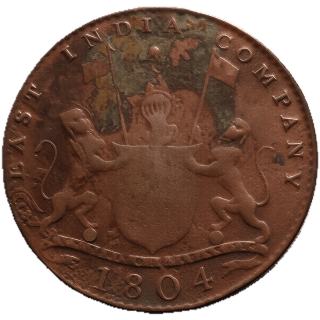 Obverse
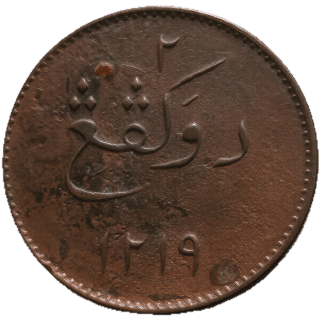 Reverse
Design Features
The obverse of the coin features the inscription "EAST INDIA COMPANY," reflecting the authority under which the coin was issued. On the reverse side, the coin displays the date "1219" along with the denomination "2 دو کڤڠ" in Arabic script. The intricate design elements and script used on this coin exemplify the cultural fusion prevalent in the region during that period.
Technical Specifications
This British East Indies 2 kepings coin weighs 6.47 grams and has a diameter of 25.00mm. Crafted from copper, this coin bears testimony to the metallurgical expertise of the time. The meticulous attention to detail in its specifications adds to its allure among collectors seeking historically significant pieces.
Collectible Value
The British East Indies 2 kepings 1219 (1804) copper coin holds both historical and collectible value. Due to its limited mintage and historical significance, this coin is a rare find in the numismatic market. Collectors often seek out this coin to add a piece of East Indies history to their collection, making it a coveted item among numismatists.
Conclusion
In conclusion, the British East Indies 2 kepings copper coin of 1219 (1804) stands as a testament to the rich history of the East Indies and the influence of the British East India Company in the region. Its unique design, historical context, and limited availability make it a prized possession for collectors passionate about acquiring rare and historically significant coins. By exploring the intricacies of this coin, collectors and enthusiasts can delve into a chapter of numismatic history that encapsulates the dynamic interplay of commerce, culture, and colonialism in the East Indies during the early 19th century.

ScanMyCoin: AI Coin Recognition
Professional AI coin recognition and collection management platform. Identify, learn, and track your coin collection with advanced AI technology and a vast.