

British East Africa British East Africa 25 cents, 1906-1910
Description:
25 cents British East Africa 25 cents, 1906-1910 coin from British East Africa. Design, history & value.
1. Introduction
The British East Africa 25 cents coin, minted from 1906 to 1910, holds a significant place in numismatic history. This silver coin showcases the colonial era of British East Africa, reflecting the influence of the British Empire in the region.
2. Historical Background
Issued by the British East Africa protectorate, this coin was part of the Rupee currency system used in the region from 1897 to 1919. It played a vital role in facilitating trade and commerce within the East Africa & Uganda Protectorates during the early 20th century.
3. Design Features
The obverse of the coin features a portrait of King Edward VII with the inscription "EDWARD VII KING AND EMPEROR." On the reverse side, the coin displays the denomination "25 CENTS" above the text "EAST AFRICA & UGANDA PROTECTORATES," highlighting the geographical scope of the coin's circulation.
4. Technical Specifications
This British East Africa 25 cents coin is composed of silver with a fineness of 0.800. It has a weight of 2.92 grams and a diameter of 17.80mm, making it a relatively small and lightweight coin compared to other contemporary silver coins.
5. Collectible Value
Due to its historical significance and limited mintage period, the British East Africa 25 cents coin is highly sought after by collectors. The coin's rarity and connection to the colonial past contribute to its collectible value, with well-preserved specimens commanding premium prices in the numismatic market.
6. Conclusion
In conclusion, the British East Africa 25 cents silver coin from 1906-1910 stands as a tangible artifact of the colonial legacy in East Africa. Its intricate design, historical context, and collectible appeal make it a prized possession for numismatists and history enthusiasts alike. Owning this coin not only adds a valuable piece to a collection but also preserves a chapter of East African history encapsulated in a small yet significant silver denomination.
Coin Images
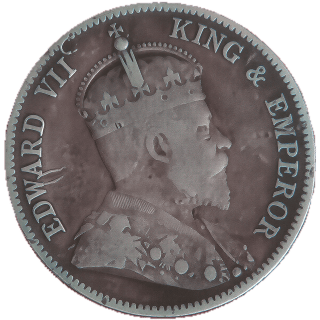 Obverse
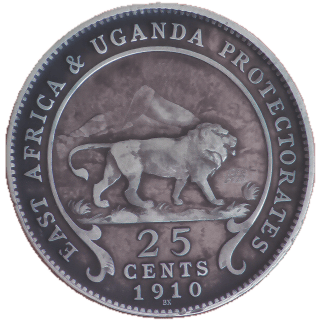 Reverse

ScanMyCoin: AI Coin Recognition
Professional AI coin recognition and collection management platform. Identify, learn, and track your coin collection with advanced AI technology and a vast.