

Bremen-Verden, Duchy under Swedish possession of 1 Sechsling - Charles XI
Description:
6 Pfennigs 1 Sechsling - Charles XI coin from Bremen-Verden, Duchy under Swedish possession of. Design, history & value.
[SEO TITLE]: Discover the 1 Sechsling Coin of Bremen-Verden: A Rare 6 Pfennigs Treasure [SEO DESCRIPTION]: Explore the rare 1 Sechsling coin from Bremen-Verden, 1691-1697. [KEYWORDS]: Bremen-Verden coin, 1 Sechsling, 6 Pfennigs, Charles XI, silver coin, numismatics, 1691-1697
Introduction
The 1 Sechsling coin from the Duchy of Bremen-Verden is a fascinating piece of numismatic history, minted during a significant period when the duchy was under Swedish possession. This coin, denominated at 6 Pfennigs, not only carries monetary value but also serves as a historical witness to the sovereignty and political dynamics of late 17th-century Europe. The combination of its intricate design, historical significance, and rarity makes it a coveted item for collectors worldwide.
Historical Background
The Duchy of Bremen-Verden, a territory in Northern Germany, was under Swedish control during a tumultuous period marked by territorial conflicts and shifting alliances. The reign of Charles XI of Sweden, spanning from 1660 to 1697, was characterized by efforts to consolidate Swedish power and influence across Europe. The issuance of the 1 Sechsling coin between 1691 and 1697 reflects this era's economic strategies aimed at stabilizing local economies under Swedish governance. These coins were minted as part of a broader effort to standardize currency within the Swedish territories, facilitating trade and asserting Swedish authority.
Coin Images
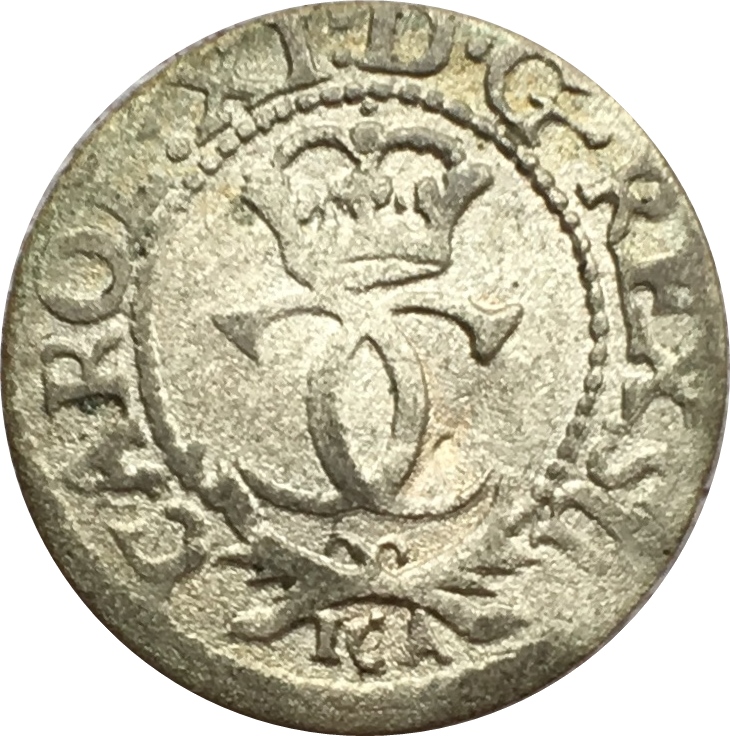 Obverse
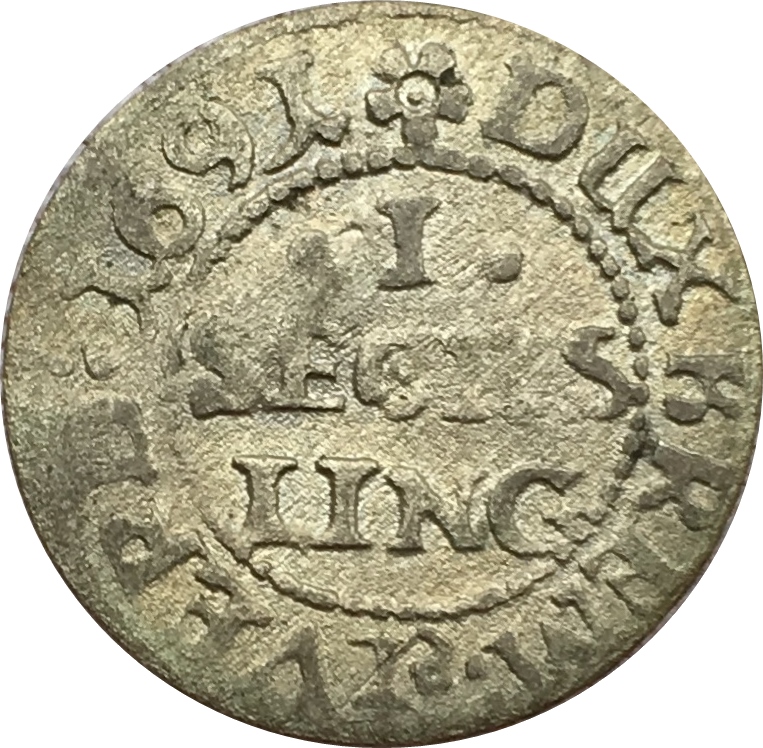 Reverse
Design Features
Obverse Design
The obverse of the 1 Sechsling coin is adorned with a crowned monogram, a common design element symbolizing royal authority and legitimacy. The crowned monogram typically represents King Charles XI, encapsulating his sovereignty over the duchy. This design not only reinforces the coin's authenticity but also serves as a regal emblem of the period's monarchical power.
Reverse Design
The reverse features a three-line central inscription that prominently displays the coin's denomination, surrounded by a legend that includes the minting date. This precise arrangement of text and imagery was a testament to the meticulous craftsmanship of the era, providing clarity and utility for users of the currency. The combination of the denomination and date within the legend underscores the coin's role as both a functional currency and a historical document.
Technical Specifications
The 1 Sechsling coin is crafted from silver, a preferred medium for its durability and intrinsic value. With a weight of 0.46 grams and a diameter of 15.50 mm, this coin is a fine example of the precision minting techniques of the late 17th century. The choice of silver not only ensured the coin's longevity but also aligned with the economic standards of the time, where silver was a staple in coinage due to its universal acceptance and stability.
Collectible Value
For numismatists and collectors, the 1 Sechsling coin is a prized acquisition, valued for its historical context and limited production run. Coins from the Duchy of Bremen-Verden, particularly those minted under Swedish possession, are relatively scarce, enhancing their desirability and market value. The rarity of this coin is further accentuated by its age and the geopolitical shifts that followed its minting period, which often led to the melting down and recoinage of older currency.
Conclusion
The 1 Sechsling coin from Bremen-Verden is more than just a piece of silver; it is a tangible link to the past, offering insights into the economic and political climate of late 17th-century Europe. Its intricate design, historical relevance, and scarcity make it a valuable asset for any serious numismatist. As a collector's item, it serves as a timeless reminder of the era of Charles XI and the broader historical narratives of European territorial governance. Whether for academic study or personal collection, this coin stands out as a remarkable artifact of numismatic history.

ScanMyCoin: AI Coin Recognition
Professional AI coin recognition and collection management platform. Identify, learn, and track your coin collection with advanced AI technology and a vast.