

Brazil Brazil 80 reis, 1820-1823
Description:
80 reis Brazil 80 reis, 1820-1823 coin from Brazil. Design, history & value.
Introduction
The Brazil 80 reis coin minted between 1820 and 1823 during the reign of King John VI holds a significant place in numismatic history. This copper coin serves as a tangible link to Brazil's past and offers collectors a glimpse into the era of colonial rule.
Historical Background
Issued by Brazil under King John VI's authority, this coin reflects the turbulent times of the early 19th century when Brazil sought independence from Portugal. The 80 reis denomination was widely used for daily transactions, showcasing the economic landscape of the period.
Coin Images
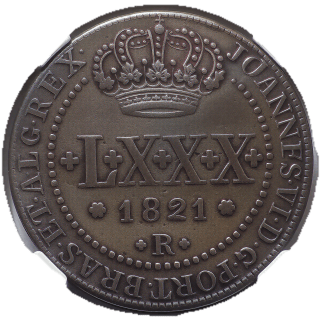 Obverse
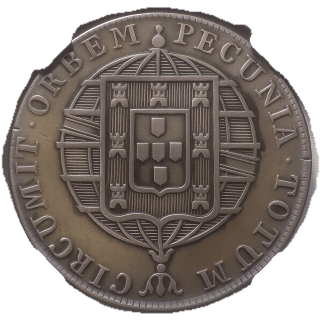 Reverse
Design Features
The obverse of the coin features the inscription "JOANNES VI D G PORT BRAS ET ALG REX" encircling the denomination "LXXX," denoting 80 reis. On the reverse side, the Latin phrase "PECUNIA TOTUM CIRCUMIT ORBEM" is displayed, emphasizing the circulation of money around the world.
Technical Specifications
This Brazil 80 reis coin weighs 28.69 grams with a diameter of 42.00mm, making it a substantial piece of currency. Crafted from copper, the coin showcases intricate details and craftsmanship typical of the era.
Collectible Value
Due to its historical significance and limited mintage period, the Brazil 80 reis coin holds a notable collectible value among numismatists. Its association with King John VI and the transitional phase in Brazilian history adds to its rarity and desirability among collectors.
Conclusion
In conclusion, the Brazil 80 reis copper coin from 1820-1823 under King John VI's reign stands as a cherished numismatic artifact symbolizing Brazil's past. Its unique design, historical context, and collectible value make it a prized addition to any coin collection, offering a tangible connection to Brazil's rich heritage. By delving into the details of this coin, collectors and enthusiasts alike can appreciate its cultural and historical significance, making it a valuable piece of numismatic history.

ScanMyCoin: AI Coin Recognition
Professional AI coin recognition and collection management platform. Identify, learn, and track your coin collection with advanced AI technology and a vast.