

Brazil Brazil 80 reis, 1811-1812
Description:
80 reis Brazil 80 reis, 1811-1812 coin from Brazil. Design, history & value.
Introduction
The Brazil 80 reis coin minted between 1811 and 1812 during the reign of King John VI holds a significant place in Brazilian numismatics. This copper coin carries a rich historical legacy and unique design features that make it a prized collectible for coin enthusiasts worldwide.
Historical Background
Issued by Brazil under the authority of King John VI, this coin reflects the period of Portuguese colonial rule over Brazil. King John VI played a pivotal role in shaping Brazil's economy and currency system during his reign from 1802 to 1822. The 80 reis denomination was a common currency unit used for everyday transactions in Brazil at that time.
Coin Images
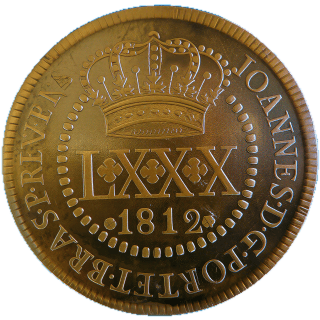 Obverse
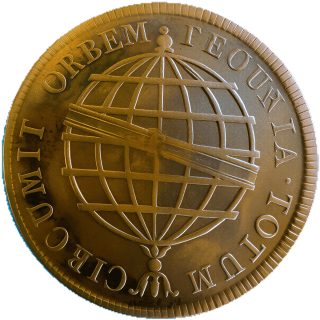 Reverse
Design Features
The obverse of the coin features the inscription "JOANNES D G P ET BRASILIÆ P REGENS" surrounding the numeral "LXXX," denoting 80 reis. On the reverse side, the Latin phrase "PECUNIA TOTUM CIRCUMIT ORBEM" is displayed, emphasizing the universal circulation of money.
Technical Specifications
- Composition: Copper
- Weight: 14.00g
- Diameter: 34.00mm This substantial coin with a diameter of 34mm and a weight of 14.00g showcases the durability and craftsmanship typical of coins from this era.
Collectible Value
The Brazil 80 reis coin from the King John VI era holds both historical and collectible significance. As a piece of Brazilian numismatic history, it appeals to collectors interested in coins from the colonial period. Due to its limited mintage and historical importance, this coin is valued by numismatists seeking rare and unique pieces for their collections.
Conclusion
In conclusion, the Brazil 80 reis copper coin from 1811-1812 under King John VI's reign represents a fascinating blend of history, artistry, and numismatic significance. Its distinctive design and historical context make it a prized possession for collectors and a valuable artifact that offers a glimpse into Brazil's past economic and cultural landscape. Collectors and enthusiasts alike cherish this coin for its rarity and connection to an important era in Brazilian history.

ScanMyCoin: AI Coin Recognition
Professional AI coin recognition and collection management platform. Identify, learn, and track your coin collection with advanced AI technology and a vast.