

Brazil Brazil 4000 reis, 1703-1707
Description:
4000 reis Brazil 4000 reis, 1703-1707 coin from Brazil. Design, history & value.
Introduction
The Brazil 4000 reis gold coin minted between 1703 and 1707 during the reign of King Peter II is a numismatic treasure that holds immense historical significance and collector's value. This coin exemplifies the rich cultural and economic heritage of Brazil during the early 18th century.
Historical Background
Issued under the authority of Brazil, the 4000 reis coin was a testament to the thriving economy and political stability of the region under King Peter II's rule. These coins played a crucial role in facilitating trade and commerce, symbolizing the wealth and power of the Brazilian monarchy during that era.
Coin Images
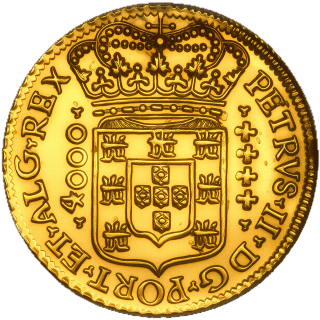 Obverse
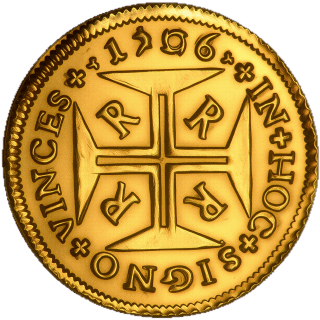 Reverse
Design Features
The obverse of the coin features the inscription "4000 / PETRVS II D G PORT ET ALG REX," highlighting King Peter II as the rightful ruler of Portugal and the Algarves. The reverse bears the powerful Latin motto "IN HOC SIGNO VINCES," translating to "In this sign, you shall conquer," reflecting the strength and authority of the monarchy.
Technical Specifications
This gold coin weighs 10.75g with a diameter of 27.00mm, composed of 91.7% pure gold (0.917 fineness). The precise specifications of the coin accentuate its craftsmanship and make it a valuable addition to any numismatic collection.
Collectible Value
The Brazil 4000 reis coin from the early 18th century holds significant collectible value due to its historical importance, limited mintage, and intrinsic worth as a gold coin. Numismatists and collectors covet this rare piece for its scarcity and the fascinating glimpse it offers into Brazil's past.
Conclusion
In conclusion, the Brazil 4000 reis gold coin from the period of King Peter II's reign is a prized possession for any collector passionate about historical currencies. Its exquisite design, historical significance, and rarity make it a sought-after piece in the world of numismatics, embodying the legacy of Brazil's rich numismatic heritage. Acquiring this coin not only adds a valuable asset to a collection but also preserves a piece of Brazil's fascinating history for generations to come.

ScanMyCoin: AI Coin Recognition
Professional AI coin recognition and collection management platform. Identify, learn, and track your coin collection with advanced AI technology and a vast.