

Brazil Brazil 1000 reis, 1708-1726
Description:
1000 reis Brazil 1000 reis, 1708-1726 coin from Brazil. Design, history & value.
Introduction
The Brazil 1000 reis gold coin minted between 1708 and 1726 during the reign of King John V holds a significant place in numismatic history. Its exceptional design and historical importance make it a prized possession for collectors worldwide.
Historical Background
Issued in Brazil during the early 18th century, this coin reflects the opulence and power of the Portuguese Empire under King John V. The 1000 reis denomination was a prominent currency unit, showcasing the wealth and influence of the kingdom during this period.
Coin Images
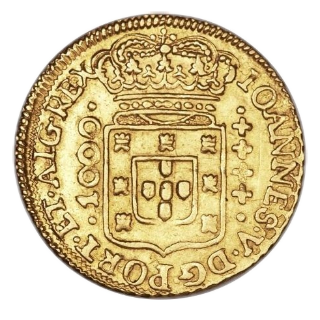 Obverse
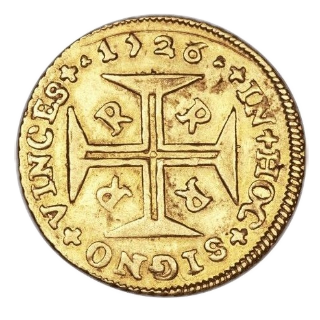 Reverse
Design Features
The obverse of the coin features the inscription "1000 / IOANNES V D G PORT ET ALG REX," highlighting King John V as the reigning monarch of Portugal and the Algarves. The reverse bears the Latin phrase "IN HOC SIGNO VINCES," translating to "In this sign, you shall conquer," a powerful motto associated with Christian symbolism.
Technical Specifications
Crafted from 0.917 gold, this coin weighs 2.68g, making it a valuable piece of currency from the King John V era. The intricate detailing on both sides of the coin showcases the skilled craftsmanship of the minting process during that time.
Collectible Value
The Brazil 1000 reis gold coin from 1708-1726 holds immense collecting significance due to its historical context, limited mintage, and aesthetic appeal. Its rarity and association with a significant historical period contribute to its high market value among numismatists and collectors.
Conclusion
In conclusion, the Brazil 1000 reis gold coin from the reign of King John V offers a glimpse into the rich history and artistry of Brazilian numismatics. Its blend of historical significance, exquisite design, and precious metal content make it a coveted piece for collectors seeking unique and valuable coins from the past. Acquiring this coin not only adds a rare treasure to a collection but also connects the collector to a bygone era of royal splendor and monetary heritage.

ScanMyCoin: AI Coin Recognition
Professional AI coin recognition and collection management platform. Identify, learn, and track your coin collection with advanced AI technology and a vast.