

Brandenburg-Prussia Brandenburg-Prussia ⅔ thaler, 1671-1676
Description:
⅔ thaler Brandenburg-Prussia ⅔ thaler, 1671-1676 coin from Brandenburg-Prussia. Design, history & value.
1. Introduction
The Brandenburg-Prussia ⅔ Thaler, struck between 1671 and 1676, stands as a testament to the numismatic artistry of the era of Frederick William, showcasing intricate designs and historical significance.
2. Historical Background
During the reign of Frederick William (1640-1688), the Brandenburg-Prussia region experienced remarkable economic and political development. The issuance of coins like the ⅔ Thaler reflected the growing influence and stability of the region under his rule.
3. Design Features
The obverse of the coin bears the inscription "FRID WILH D G M BR S R I ARC & PR EL," highlighting Frederick William's titles and authority. On the reverse, the design features "2/3 / SUPREMUS DUX IN PRUSSIA," emphasizing his position as the supreme duke in Prussia.
4. Technical Specifications
This silver coin weighs 17.50g and has a diameter of 38.00mm, making it a substantial piece in terms of size and weight. The composition of silver adds to its intrinsic value and historical significance.
5. Collectible Value
The Brandenburg-Prussia ⅔ Thaler from 1671-1676 holds significant collectible value among numismatists and historians. Its rarity, coupled with the historical context of Frederick William's reign, makes it a sought-after piece in the world of coin collecting.
6. Conclusion
In conclusion, the Brandenburg-Prussia ⅔ Thaler of 1671-1676 encapsulates the rich history and artistry of the era. Its unique designs, technical specifications, and collectible value make it a prized possession for both coin enthusiasts and those interested in the history of this influential region. By delving into the intricate details and historical significance of the Brandenburg-Prussia ⅔ Thaler, collectors and enthusiasts can appreciate the craftsmanship and legacy of this remarkable silver coin from the reign of Frederick William.
Coin Images
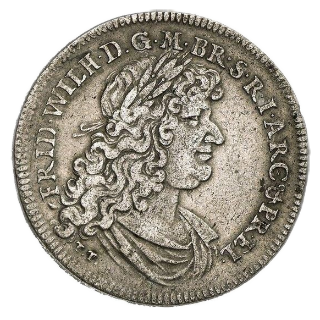 Obverse
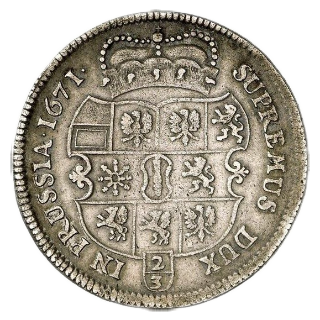 Reverse

ScanMyCoin: AI Coin Recognition
Professional AI coin recognition and collection management platform. Identify, learn, and track your coin collection with advanced AI technology and a vast.