

Bohemia Bohemia ¼ thaler, 1573-1574
Description:
¼ thaler Bohemia ¼ thaler, 1573-1574 coin from Bohemia. Design, history & value.
Introduction
The Bohemia ¼ thaler, minted in 1573-1574, stands as a testament to the rich numismatic history of the Kingdom of Bohemia. This silver coin holds immense historical and cultural significance, making it a prized possession for collectors worldwide.
Historical Background
During the reign of Maximilian II, the Bohemian Kingdom issued this ¼ thaler coin as part of its currency system. Bohemia, known for its intricate coinage, utilized these pieces for trade and commerce, reflecting the kingdom's economic prosperity during the late 16th century.
Coin Images
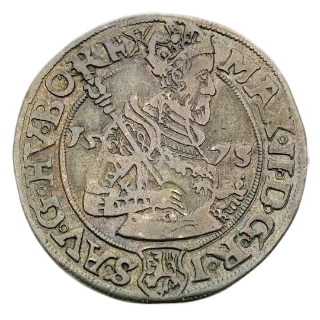 Obverse
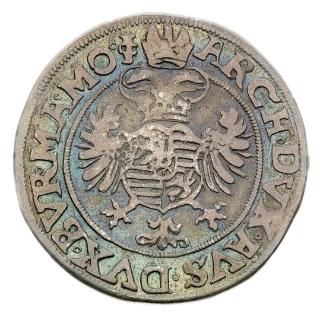 Reverse
Design Features
The obverse of the coin features the inscription "MAX II D G R I S AV GE HV BO REX," denoting Maximilian II as the ruler of Bohemia. On the reverse side, the coin showcases "ARCHIDVX AV DVX BVR MA MO," highlighting Maximilian II's titles as Archduke of Austria and Duke of Burgundy, among others.
Technical Specifications
This Bohemian ¼ thaler weighs 6.90g and has a diameter of 32.00mm. Crafted from silver, the coin's intricate designs and fine details demonstrate the skilled craftsmanship of the minters during that era.
Collectible Value
The Bohemia ¼ thaler from 1573-1574 holds both historical and numismatic value. Collectors covet this coin for its rarity and historical significance, making it a sought-after piece in the numismatic community. Its market value reflects its scarcity and the demand among collectors for such unique pieces from the Kingdom of Bohemia.
Conclusion
In conclusion, the Bohemia ¼ thaler minted between 1573-1574 is a numismatic gem that captures the essence of Bohemian history and craftsmanship. Its intricate design, historical relevance, and scarcity make it a prized addition to any coin collection, serving as a tangible link to the kingdom's illustrious past. By owning a piece of the Bohemia ¼ thaler, collectors not only acquire a valuable numismatic artifact but also a piece of history that encapsulates the cultural and economic vibrancy of the Kingdom of Bohemia during the late 16th century.

ScanMyCoin: AI Coin Recognition
Professional AI coin recognition and collection management platform. Identify, learn, and track your coin collection with advanced AI technology and a vast.