

Belgian Congo Belgian Congo 5 francs, 1936-1937
Description:
5 francs Belgian Congo 5 francs, 1936-1937 coin from Belgian Congo. Design, history & value.
Introduction
The Belgian Congo 5 francs coin minted in 1936-1937 holds a significant place in numismatic history. This coin, issued during the colonial era of Belgian Congo, features unique design elements and historical importance that make it a prized collectible for enthusiasts worldwide.
Historical Background
The Belgian Congo, a former colony of Belgium, saw the issuance of the 5 francs coin during the reign of King Leopold III. This period marked a time of economic growth and political developments within the colony, making these coins a reflection of the era's history and influence.
Coin Images
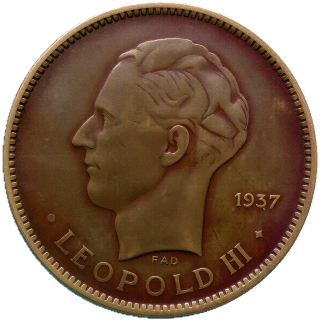 Obverse
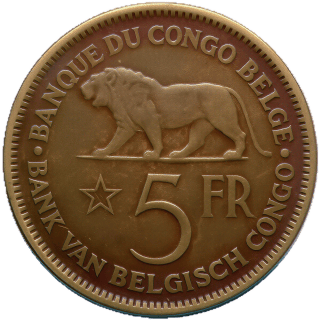 Reverse
Design Features
The obverse of the coin showcases a striking portrait of King Leopold III, the ruler of Belgium during that time. The reverse side features the denomination "5 FR" along with inscriptions "BANK VAN BELGISCH CONGO" in Dutch and "BANQUE DU CONGO BELGE" in French, representing the colonial authority in the region.
Technical Specifications
Constructed from nickel-brass, the Belgian Congo 5 francs coin has a weight of 12.90g and a diameter of 33.30mm. These specifications contribute to the durability and aesthetic appeal of the coin, adding to its desirability among collectors.
Collectible Value
The Belgian Congo 5 francs coin from 1936-1937 holds both historical and monetary value in the numismatic world. Due to its limited mintage and colonial significance, these coins are sought after by collectors interested in African numismatics. The rarity of well-preserved specimens further enhances their market value, making them a valuable addition to any collection.
Conclusion
In conclusion, the Belgian Congo 5 francs coin from 1936-1937 stands as a testament to the rich history and cultural heritage of the region. With its unique design elements, historical significance, and collectible value, this coin remains a prized possession for numismatists and collectors alike. Owning a piece of this colonial legacy not only adds diversity to a collection but also serves as a reminder of a bygone era in African history.

ScanMyCoin: AI Coin Recognition
Professional AI coin recognition and collection management platform. Identify, learn, and track your coin collection with advanced AI technology and a vast.