

Bavaria Bavaria 20 kreuzer, 1804-1805
Description:
20 kreuzer Bavaria 20 kreuzer, 1804-1805 coin from Bavaria. Design, history & value.
1. Introduction
The Bavaria 20 kreuzer coin minted between 1804 and 1805 holds a special place in numismatic history due to its association with the Electorate of Bavaria. This silver coin, denoting a denomination of 20 kreuzer, bears the name of Max Joseph I, the Elector of Bavaria during that period.
2. Historical Background
Issued by Bavaria, this coin belongs to the era when Bavaria was an Electorate from 1753 to 1805. Max Joseph I, a member of the House of Wittelsbach, ruled Bavaria from 1799 until 1825. The 20 kreuzer denomination was a common currency unit used in various German states during the 18th and 19th centuries.
3. Design Features
The obverse of the coin showcases the inscription "MAXIMILIAN IOSEPH CHURFÜRST ZU PFALZBAIERN" encircling the bust of Max Joseph I. On the reverse side, the number "20" is prominently displayed above the motto "FÜR GOTT UND VATERLAND," translating to "For God and Fatherland," reflecting the patriotic sentiments of the time.
4. Technical Specifications
This silver coin weighs 6.68 grams and has a diameter of 29.00mm. With a silver purity of 0.583, it embodies the traditional standards of silver coinage prevalent during the early 19th century in Bavaria.
5. Collectible Value
The Bavaria 20 kreuzer 1804-1805 coin appeals to both coin collectors and history enthusiasts. Its historical significance, coupled with the intricate design elements, makes it a sought-after piece among numismatists. The collectible value of this coin varies based on its condition, rarity, and market demand.
6. Conclusion
In conclusion, the Bavaria 20 kreuzer 1804-1805 silver coin encapsulates a pivotal period in Bavarian history under the reign of Max Joseph I. Its design, historical context, and technical specifications make it a valuable addition to any coin collection. Whether for its numismatic value or historical significance, this coin remains a cherished artifact representing Bavaria's numismatic heritage.
Coin Images
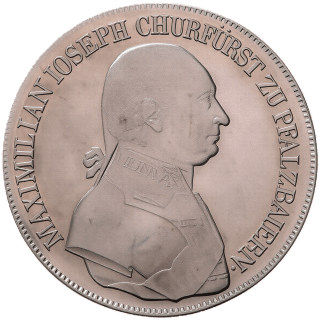 Obverse
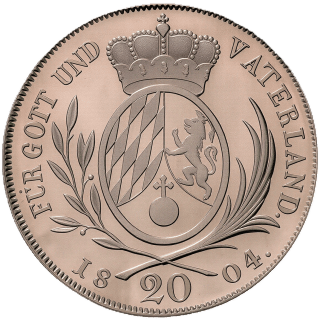 Reverse

ScanMyCoin: AI Coin Recognition
Professional AI coin recognition and collection management platform. Identify, learn, and track your coin collection with advanced AI technology and a vast.