

Baroda Baroda 4 annas, 1949 (1892)
Description:
4 annas Baroda 4 annas, 1949 (1892) coin from Baroda. Design, history & value.
Introduction
The Baroda 4 annas coin minted in 1949 holds a special place in numismatic history. This silver coin is a testament to the rich heritage of the Baroda State and showcases exquisite design elements that captivate collectors worldwide.
Historical Background
The Baroda State, located in western India, issued its own coinage from 1875 to 1947. This period was marked by a blend of traditional Indian numismatic artistry and British influence. The Baroda 4 annas coin, minted in 1949, reflects the transition from princely states to the independent nation of India.
Coin Images
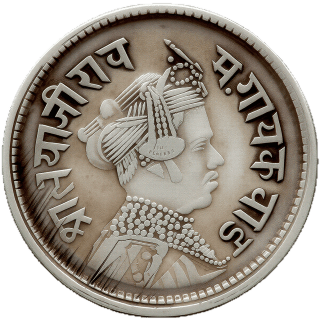 Obverse
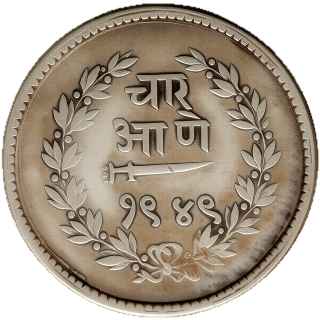 Reverse
Design Features
The obverse of the coin features the inscription "श्री सयाजीराव.म.गायकवाड," honoring Shrimant Sayajirao Gaekwad III, the visionary ruler of Baroda. The reverse displays the symbol "आणे," symbolizing prosperity and abundance, characteristic of the Baroda State's cultural richness.
Technical Specifications
This silver coin has a standard weight and size typical of the 4 annas denomination. The composition of silver ensures its durability and lasting beauty, making it a prized addition to any numismatic collection.
Collectible Value
The Baroda 4 annas 1949 silver coin holds both historical and collectible significance. Its rarity and unique design elements make it highly sought after by numismatists. The market value of this coin continues to appreciate, reflecting its desirability among collectors worldwide.
Conclusion
In conclusion, the Baroda 4 annas 1949 silver coin stands as a remarkable piece of history and artistry. Its fusion of tradition and innovation, coupled with its collectible value, makes it a prized possession for numismatists. Owning this coin not only enriches a collection but also preserves the legacy of the Baroda State for generations to come.

ScanMyCoin: AI Coin Recognition
Professional AI coin recognition and collection management platform. Identify, learn, and track your coin collection with advanced AI technology and a vast.