
Baden Baden 1 thaler, 1809-1811
Description:
1 thaler Baden 1 thaler, 1809-1811 coin from Baden. Design, history & value.
Introduction
The Baden 1 thaler coin, minted during the years 1809 to 1811, is a remarkable piece of numismatic history originating from the Grand Duchy of Baden. This silver coin holds not only monetary value but also historical and collectible significance that makes it a coveted item among numismatists.
Historical Background
Issued by Baden, the Baden 1 thaler coin was circulated during a crucial period in European history. The Grand Duchy of Baden, located in present-day Germany, was a significant state during the early 19th century. The coinage of this period reflects the political and economic landscape of the region, making each piece a valuable historical artifact.
Coin Images
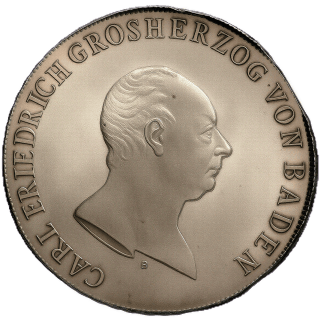 Obverse
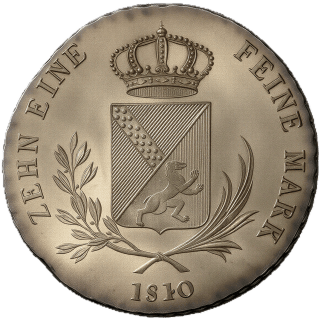 Reverse
Design Features
The obverse of the Baden 1 thaler coin features the inscription "CARL FRIEDRICH GROSHERZOG VON BADEN," depicting the ruling Grand Duke of Baden at that time. On the reverse side, the coin showcases the inscription "ZEHN EINE FEINE MARK," indicating its denomination and purity.
Technical Specifications
Weighing 28.06g and composed of 83.3% silver, the Baden 1 thaler coin boasts a substantial size and precious metal content. With a diameter and thickness that align with the standards of thalers minted during this era, this coin represents a tangible piece of history that numismatists treasure.
Collectible Value
The Baden 1 thaler coin holds significant collectible value due to its rarity and historical relevance. Numismatists and collectors alike seek out this coin to add to their collections not only for its intrinsic value but also for the stories it carries from a bygone era. The limited mintage and the age of this coin contribute to its desirability among enthusiasts.
Conclusion
In conclusion, the Baden 1 thaler coin from 1809-1811 stands as a testament to the rich history of the Grand Duchy of Baden. Its intricate design, historical significance, and collectible value make it a prized possession for those passionate about numismatics. Owning a piece of this coinage not only adds diversity to a collection but also connects the collector to a fascinating chapter in European history.

ScanMyCoin: AI Coin Recognition
Professional AI coin recognition and collection management platform. Identify, learn, and track your coin collection with advanced AI technology and a vast.