

Austria (notgelds) Austria (notgelds) 10 hellers, 1915
Description:
10 hellers Austria (notgelds) 10 hellers, 1915 coin from Austria (notgelds). Design, history & value.
Introduction
The Austria Notgelds 10 Hellers 1915 coin holds a significant place in numismatic history due to its association with the City of Marchtrenk during the tumultuous year of 1915. This brass plated iron coin is a rare and fascinating piece that reflects the economic challenges faced during World War I.
Historical Background
Issued in 1915 by the City of Marchtrenk in Austria, this Notgelds coin served as emergency currency during a time when regular coinage was scarce. Notgelds, meaning "emergency money" in German, were issued by various municipalities and private entities to address the coinage shortage caused by the war.
Coin Images
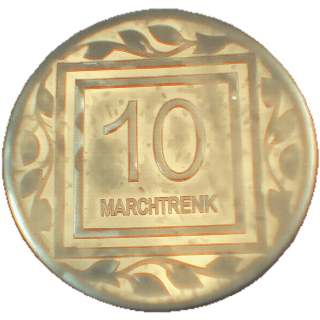 Obverse
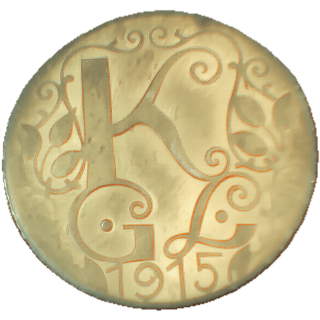 Reverse
Design Features
The obverse of the coin features the denomination "10" above the inscription "MARCHTRENK," emphasizing the origin of the issue. On the reverse side, the year "1915" is displayed above the abbreviation "KGL," likely representing the issuing authority. The simplicity of the design adds to the coin's charm and historical appeal.
Technical Specifications
This Austria Notgelds coin weighs 2.40 grams and has a diameter of 19.00mm. Crafted from brass plated iron, it showcases a durable composition that has withstood the test of time. The small size and lightweight make it a convenient piece for collectors to handle and appreciate.
Collectible Value
Due to its historical significance and limited mintage, the Austria Notgelds 10 Hellers 1915 coin holds considerable collectible value. Numismatists seek out this coin for its connection to a specific time and place in Austrian history. Its rarity level adds to its desirability among collectors, making it a prized addition to any collection.
Conclusion
In conclusion, the Austria Notgelds 10 Hellers 1915 coin stands as a testament to the ingenuity of local authorities during times of crisis. Its unique design, historical context, and collectible value make it a sought-after piece for both numismatists and history enthusiasts alike. Owning this coin not only adds diversity to a collection but also preserves a piece of Austria's past for future generations to appreciate.

ScanMyCoin: AI Coin Recognition
Professional AI coin recognition and collection management platform. Identify, learn, and track your coin collection with advanced AI technology and a vast.