

Austria Austria ¹⁄₁₂ thaler, 1741
Description:
¹⁄₁₂ thaler Austria ¹⁄₁₂ thaler, 1741 coin from Austria. Design, history & value.
Introduction
The Austria ¹⁄₁₂ thaler, minted in 1741, holds a significant place in numismatic history due to its ties to the Holy Roman Empire and the intricate design elements that showcase the craftsmanship of the era.
Historical Background
Issued by Austria, this coin was part of the currency used within the Holy Roman Empire from 1741 to 1805. During this time, the thaler was a widely circulated currency unit, known for its consistent silver content and reputable design.
Coin Images
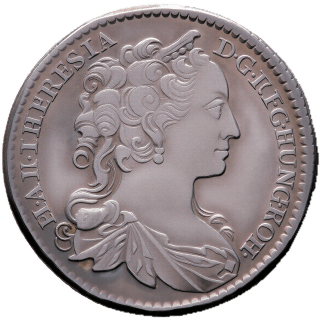 Obverse
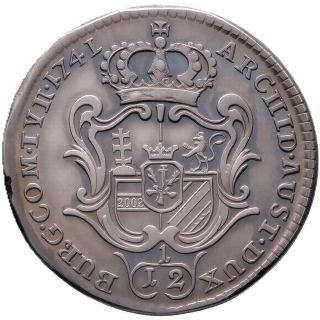 Reverse
Design Features
The obverse of the coin features the inscription "M THERESIA D G REG HU BO," representing Maria Theresa, the Archduchess of Austria, and Queen of Hungary and Bohemia. The reverse displays the fraction 1/12, along with the Latin inscriptions "ARCHID AUST DUX BURG COM TYR," signifying her various titles.
Technical Specifications
This ¹⁄₁₂ thaler coin is composed of silver with a purity of 0.583. It has a modest size and weight, typical of thalers minted during this period, making it a manageable piece for collectors to acquire and appreciate.
Collectible Value
The Austria ¹⁄₁₂ thaler from 1741 holds both historical and collectible significance. Its association with Maria Theresa, a prominent figure in European history, adds to its allure among collectors. The coin's rarity and age contribute to its market value, making it a prized addition to numismatic collections.
Conclusion
In conclusion, the Austria ¹⁄₁₂ thaler from 1741 stands out as a remarkable piece of history and artistry. Its intricate design, historical importance, and collectible value make it a coveted item for both numismatists and history enthusiasts alike. Owning this coin not only provides a tangible link to the past but also allows one to appreciate the craftsmanship and significance of currency in the Holy Roman Empire era.

ScanMyCoin: AI Coin Recognition
Professional AI coin recognition and collection management platform. Identify, learn, and track your coin collection with advanced AI technology and a vast.