

Austria Austria ⅛ ducat, 1729
Description:
⅛ ducat Austria ⅛ ducat, 1729 coin from Austria. Design, history & value.
Introduction
The Austria ⅛ ducat from 1729 is a prized relic of the Holy Roman Empire, showcasing exquisite artistry and historical significance in the world of numismatics. This gold coin is a testament to the rich cultural heritage and economic prowess of the Austrian Empire during the early 18th century.
Historical Background
Issued by Austria, this ⅛ ducat coin dates back to the period of the Holy Roman Empire (1705-1740). The Holy Roman Empire was a complex union of territories in Central Europe, and coins like the ⅛ ducat served as vital mediums of trade and symbols of imperial power.
Coin Images
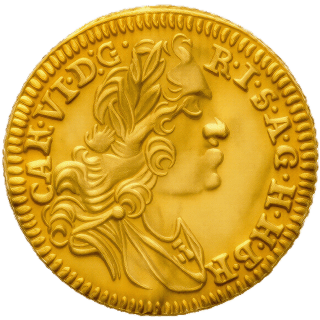 Obverse
 Reverse
Design Features
The obverse of the coin features the inscription "CAR VI D G R I S A G HI H B R," representing the ruling monarch, Emperor Charles VI. The reverse displays the legend "ARC AUS DUX BURG E STYRIÆ," signifying the territories under Austrian rule.
Technical Specifications
This ⅛ ducat gold coin weighs 0.44g and is composed of 98.6% pure gold, attesting to its precious metal content and quality craftsmanship. With a diameter and thickness reflecting the standards of the era, this coin is a testament to the skilled minting techniques of the time.
Collectible Value
The Austria ⅛ ducat from 1729 holds immense historical and numismatic value, making it a coveted item among collectors. Its rarity, coupled with its association with the illustrious Holy Roman Empire, adds to its appeal and market desirability. Collectors seek out such coins not only for their beauty but also for the stories they tell about the past.
Conclusion
In conclusion, the Austria ⅛ ducat gold coin of 1729 is a remarkable numismatic specimen that encapsulates the grandeur and history of the Holy Roman Empire. Its exquisite design, historical significance, and scarcity make it a prized possession for collectors and enthusiasts alike. Owning this coin is owning a piece of the past, a tangible link to a bygone era of imperial splendor and cultural richness.

ScanMyCoin: AI Coin Recognition
Professional AI coin recognition and collection management platform. Identify, learn, and track your coin collection with advanced AI technology and a vast.