

Austria Austria ¼ ducat, 1707
Description:
¼ ducat Austria ¼ ducat, 1707 coin from Austria. Design, history & value.
Introduction
The Austria ¼ ducat gold coin minted in 1707 during the Holy Roman Empire period is a numismatic marvel that captivates collectors and historians alike. This coin holds a rich history and embodies the artistic and monetary heritage of Austria.
Historical Background
Issued by Austria, this ¼ ducat coin dates back to the early 18th century, a time characterized by the grandeur of the Holy Roman Empire. The reign of Joseph I saw the production of these exquisite gold coins, symbolizing the economic and political influence of Austria in Europe during that era.
Coin Images
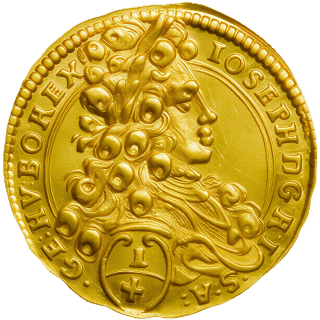 Obverse
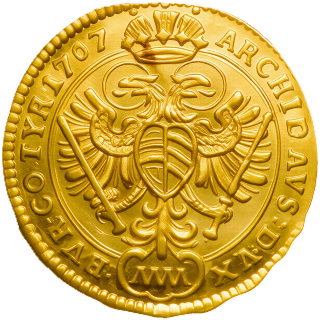 Reverse
Design Features
The obverse of the coin features the inscription "1/4" above the bust of Joseph I, with the Latin legend "IOSEPH D G R I S A GE HV BO REX" denoting his royal titles. On the reverse side, the Latin legends "ARCHID AVST DVX BVR CO TYR" accompanied by the mintmark "MM" signify Joseph I's position as Archduke of Austria.
Technical Specifications
This ¼ ducat gold coin weighs 0.88g and is composed of 98.6% pure gold, reflecting the exceptional craftsmanship and quality of the minting process during that period. With a diameter and thickness that align with the standards of the time, this coin is a true testament to the precision of Austrian minting.
Collectible Value
The Austria ¼ ducat from 1707 holds significant value in the numismatic world. Collectors value this coin not only for its historical importance but also for its rarity and aesthetic appeal. Due to its limited mintage and historical significance, this coin is highly sought after by numismatists and collectors of Holy Roman Empire coinage.
Conclusion
In conclusion, the Austria ¼ ducat gold coin from 1707 is a treasure trove of history and artistry. Its intricate design, historical significance, and scarcity make it a prized possession for collectors. Owning this coin not only adds value to a collection but also allows one to hold a piece of history in their hands, connecting them to the grandeur of the Holy Roman Empire era.

ScanMyCoin: AI Coin Recognition
Professional AI coin recognition and collection management platform. Identify, learn, and track your coin collection with advanced AI technology and a vast.