

Austria Austria ¼ ducat, 1694
Description:
¼ ducat Austria ¼ ducat, 1694 coin from Austria. Design, history & value.
Introduction
The Austria ¼ ducat, minted in 1694, stands as a testament to the rich numismatic history of the Holy Roman Empire. This stunning gold coin, bearing the visage of Leopold I, exudes elegance and holds a significant place in the world of coin collecting.
Historical Background
During the late 17th century, Austria, under the reign of Leopold I, was a prominent player in European politics and economics. The minting of the ¼ ducat was a reflection of the empire's prosperity and influence during this period. These coins were circulated as a symbol of wealth and power, showcasing the artistic and metallurgical prowess of the Austrian mint.
Coin Images
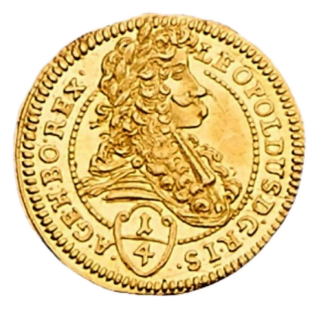 Obverse
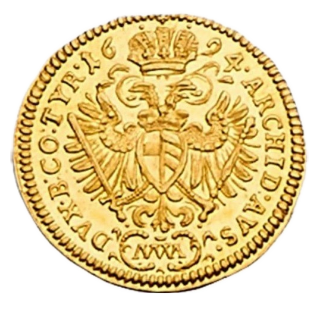 Reverse
Design Features
The obverse of the Austria ¼ ducat features the inscription "LEOPOLDVS D G R I S A GE H BO REX," identifying Leopold I as the ruler of Hungary, Bohemia, and the Holy Roman Empire. The reverse bears the inscription "ARCHID AVS DVX B CO TYR," denoting Leopold's titles as Archduke of Austria, Duke of Burgundy, and Count of Tyrol. These intricate engravings highlight the intricate craftsmanship of the coin's designers.
Technical Specifications
Crafted from 0.986 fine gold, the Austria ¼ ducat weighs 0.86 grams, making it a small yet valuable piece of numismatic art. With a diameter of approximately 15mm, this coin is a testament to the precision and skill of the minting process during the late 17th century.
Collectible Value
The Austria ¼ ducat from 1694 holds significant value among collectors due to its historical importance and rarity. As a relic from the Holy Roman Empire, this coin is highly sought after by numismatists worldwide. Its limited mintage and exquisite design contribute to its desirability, making it a prized addition to any coin collection.
Conclusion
In conclusion, the Austria ¼ ducat 1694 is not just a coin but a piece of history encapsulated in gold. Its intricate design, historical significance, and collectible value make it a must-have for any serious collector. Owning this coin allows one to hold a tangible piece of the past, connecting them to the grandeur of the Holy Roman Empire and the legacy of Leopold I.

ScanMyCoin: AI Coin Recognition
Professional AI coin recognition and collection management platform. Identify, learn, and track your coin collection with advanced AI technology and a vast.