

Austria Austria 6 kreuzer, 1680-1682
Description:
6 kreuzer Austria 6 kreuzer, 1680-1682 coin from Austria. Design, history & value.
Introduction
The Austria 6 kreuzer coin minted between 1680 and 1682 holds a significant place in the numismatic history of the Holy Roman Empire. With its exquisite design and historical importance, this silver coin is highly sought after by collectors worldwide.
Historical Background
During the late 17th century, Austria, as part of the Holy Roman Empire, issued the 6 kreuzer coin under the reign of Leopold I. These coins were essential for trade and commerce, reflecting the economic and political landscape of the time.
Coin Images
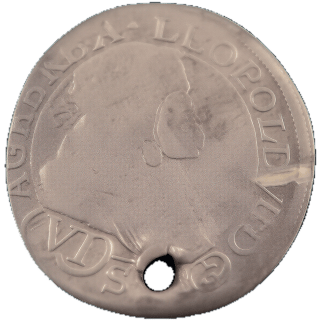 Obverse
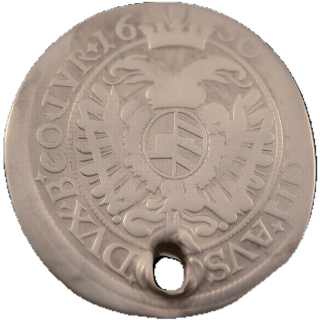 Reverse
Design Features
The obverse of the coin features the inscription "LEOPOLDVSDGR I S A G H B R," indicating Leopold I, by the grace of God, Emperor of the Romans, always August. On the reverse, you can find "ARCHI D AVS ET CARINT D BVR," signifying his titles as Archduke of Austria and Duke of Carinthia and Burgundy. These inscriptions showcase the royal titles and territories under Leopold I's rule.
Technical Specifications
This silver coin weighs 2.95g with a diameter of 26.00mm, making it a lightweight yet substantial piece. The composition of silver adds to its intrinsic value and durability, ensuring its longevity for collectors and enthusiasts.
Collectible Value
The Austria 6 kreuzer coin from 1680-1682 holds significant collectible value due to its historical significance and rarity. As a piece of the Holy Roman Empire's numismatic legacy, this coin is a prized possession for collectors interested in European coinage from the late 17th century. Its scarcity and unique design contribute to its market value, making it a desirable addition to any numismatic collection.
Conclusion
In conclusion, the Austria 6 kreuzer silver coin from 1680-1682 is a remarkable numismatic specimen that encapsulates the rich history of the Holy Roman Empire. Its intricate design, historical significance, and collectible value make it a must-have for coin enthusiasts and collectors. Owning this coin not only adds a piece of history to your collection but also a symbol of the grandeur and legacy of the Austrian Empire under Leopold I.

ScanMyCoin: AI Coin Recognition
Professional AI coin recognition and collection management platform. Identify, learn, and track your coin collection with advanced AI technology and a vast.