

Austria Austria 5/10 kreuzer, 1858-1866
Description:
5/10 kreuzer Austria 5/10 kreuzer, 1858-1866 coin from Austria. Design, history & value.
Introduction
The Austria 5/10 kreuzer, struck between 1858 and 1866, holds a significant place in numismatic history as part of the Austro-Hungarian gulden currency system. This copper coin bears witness to the economic and political landscape of the era, making it a captivating piece for collectors and enthusiasts alike.
Historical Background
During the mid-19th century, Austria issued the 5/10 kreuzer as a fractional currency denomination within the broader Austro-Hungarian gulden monetary system. This period marked a time of transition and reform within the empire's coinage, reflecting the changing economic dynamics of the era.
Coin Images
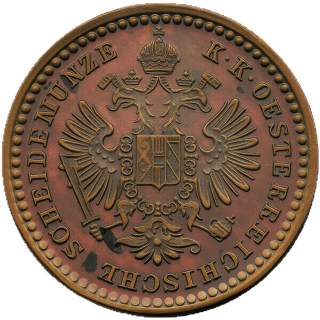 Obverse
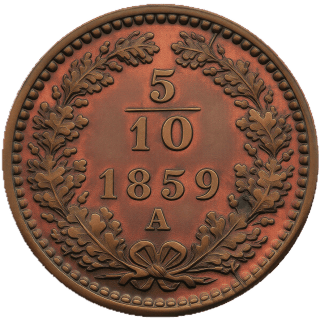 Reverse
Design Features
The obverse of the Austria 5/10 kreuzer coin showcases the inscription "K K OESTERREICHISCHE SCHEIDEMÜNZE," denoting the Austrian Imperial Mint. The reverse features the numerical value "5/10," symbolizing the coin's denomination within the currency system. The simplicity of the design is characteristic of utilitarian coinage from this period.
Technical Specifications
This coin weighs 1.70 grams and has a diameter of 17.20mm, typical for fractional copper coins of the time. The copper composition speaks to the practicality of the denomination, intended for everyday transactions among the populace.
Collectible Value
The Austria 5/10 kreuzer coin, due to its historical significance and limited mintage period, holds value among numismatists. Collectors prize this coin for its representation of Austro-Hungarian numismatic heritage and its role in economic circulation during the mid-19th century. Rarity and condition significantly impact its market value and desirability among collectors.
Conclusion
In conclusion, the Austria 5/10 kreuzer 1858-1866 copper coin stands as a tangible link to the past, offering insights into the economic intricacies of the Austro-Hungarian Empire. Its modest yet distinctive design, combined with its historical context, renders it a prized possession for those passionate about numismatics and the rich tapestry of European coinage history.

ScanMyCoin: AI Coin Recognition
Professional AI coin recognition and collection management platform. Identify, learn, and track your coin collection with advanced AI technology and a vast.