

Austria Austria 3 kreuzer, 1624-1629
Description:
3 kreuzer Austria 3 kreuzer, 1624-1629 coin from Austria. Design, history & value.
Introduction
The Austria 3 kreuzer coin minted between 1624 and 1629 under the reign of Ferdinand II of the Holy Roman Empire holds significant historical and numismatic value. This silver coin offers a glimpse into the monetary system of the era and showcases intricate designs that reflect the artistry of the time.
Historical Background
Austria, as part of the Holy Roman Empire, issued the 3 kreuzer coin during the period of 1624 to 1629. This denomination was widely used in trade and commerce within the empire, emphasizing the importance of small denominations in everyday transactions. The reign of Ferdinand II marked a tumultuous period in European history, adding to the historical significance of this coin.
Coin Images
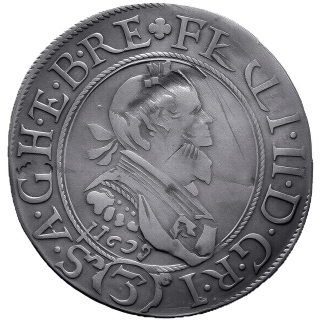 Obverse
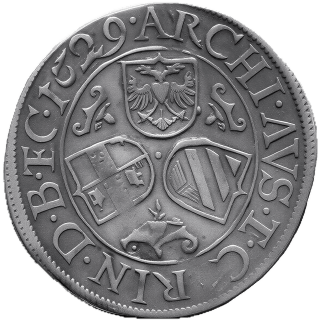 Reverse
Design Features
The obverse of the coin features the inscription "FERDI.II.D.G.R.I (3) S.A.G.H.&.B.REX," highlighting Ferdinand II as the Roman Emperor and King of Germany, Hungary, and Bohemia. On the reverse, the design "ARCHI.AVS.&CARIN.DV.BV.ETC" signifies Ferdinand II as Archduke of Austria and King of Carinthia and Bohemia.
Technical Specifications
This silver coin weighs 1.70 grams with a diameter of 21.00mm and a silver purity of 0.500. The specifications of the Austria 3 kreuzer coin align with the standards of the time, ensuring uniformity in weight and composition.
Collectible Value
The Austria 3 kreuzer 1624-1629 coin holds both historical and collectible value in the numismatic world. Due to its limited mintage and historical significance, this coin is sought after by collectors interested in Holy Roman Empire currency. Its rarity contributes to its market value, making it a prized addition to numismatic collections.
Conclusion
In conclusion, the Austria 3 kreuzer 1624-1629 silver coin stands as a remarkable piece of numismatic history from the Holy Roman Empire. With its intricate designs, historical context, and collectible value, this coin remains a coveted item among collectors and enthusiasts. Owning a piece of this era not only adds diversity to a collection but also preserves a tangible link to the past.

ScanMyCoin: AI Coin Recognition
Professional AI coin recognition and collection management platform. Identify, learn, and track your coin collection with advanced AI technology and a vast.