
Austria Austria 2 pfennig, 1638-1657
Description:
2 pfennig Austria 2 pfennig, 1638-1657 coin from Austria. Design, history & value.
Introduction
The Austria 2 pfennig silver coin, minted between 1638 and 1657, holds a significant place in the numismatic history of the Holy Roman Empire. This coin not only serves as a testament to the economic and political landscape of the era but also showcases exquisite craftsmanship and historical relevance.
Historical Background
Issued by Austria, this coin was circulated during the period when the Holy Roman Empire was a dominant force in Central Europe. The denomination of 2 pfennig was commonly used for small transactions and trade within the empire. The coinage system of the Holy Roman Empire was intricate, reflecting the diverse regions and authorities under its umbrella.
Coin Images
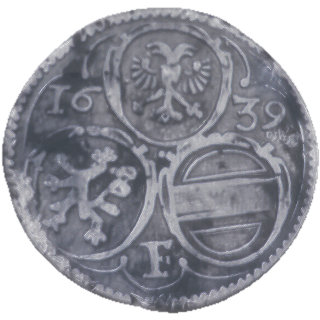 Obverse
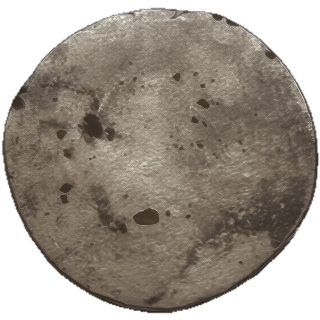 Reverse
Design Features
The obverse of the Austria 2 pfennig coin features a depiction of geography, symbolizing the vast expanse of the Holy Roman Empire and its territories. On the reverse, a legend is inscribed. However, due to the lack of definitive information, further research is needed to decipher the exact meaning of the legend.
Technical Specifications
- Denomination: 2 Pfennig
- Composition: Silver (Billon)
- Weight: 0.40g
- Diameter: 16.00mm
- Issuing Authority: Austria
- Category: Holy Roman Empire (1608 - 1657)
Collectible Value
The Austria 2 pfennig silver coin from the Holy Roman Empire holds both historical and collectible significance. Due to its age and limited mintage period, these coins are sought after by collectors of medieval and early modern European coinage. The rarity of this coin adds to its allure, making it a valuable addition to any numismatic collection.
Conclusion
In conclusion, the Austria 2 pfennig silver coin from 1638-1657 offers a glimpse into the economic and political landscape of the Holy Roman Empire. With its intricate design, historical significance, and collectible value, this coin stands as a symbol of a bygone era. For numismatists and history enthusiasts alike, owning a piece of this coinage provides a tangible connection to the rich heritage of Central Europe during the 17th century.

ScanMyCoin: AI Coin Recognition
Professional AI coin recognition and collection management platform. Identify, learn, and track your coin collection with advanced AI technology and a vast.