

Austria Austria 1 pfennig, 1748-1750
Description:
1 pfennig Austria 1 pfennig, 1748-1750 coin from Austria. Design, history & value.
Introduction
The Austria 1 Pfennig coin minted from 1748 to 1750 holds a significant place in numismatic history. As part of the Holy Roman Empire coinage, this copper coin showcases intricate designs and historical importance that make it a sought-after collectible among enthusiasts.
Historical Background
Issued by Austria, the coin was circulated during the reign of Maria Theresa, the only female ruler of the Habsburg dominions. The Holy Roman Empire (Kreuzer) coinage system was established to standardize currency across the empire, reflecting the economic and political landscape of the time.
Coin Images
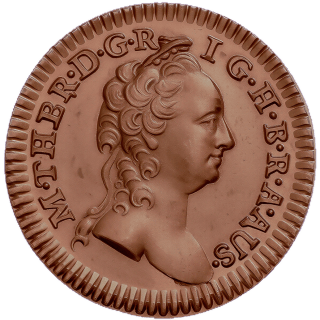 Obverse
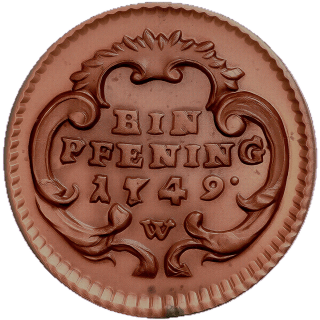 Reverse
Design Features
The obverse of the coin features the inscription "M THER D G R I G H B R A AUS," representing Maria Theresa, the Archduchess of Austria. On the reverse side, the coin displays the denomination "EIN PFENING" encircled by the letter "W," signifying the mintmark of the Vienna Mint.
Technical Specifications
The Austria 1 Pfennig coin has a standard size and weight for its denomination, typically measuring around 20-25mm in diameter and weighing approximately 2-4 grams. Being minted in copper, the coin's composition reflects the common metal used for lower denomination coins during that era.
Collectible Value
Due to its historical significance and limited mintage period, the Austria 1 Pfennig coin holds a notable collectible value. Numismatists and collectors often seek this coin to add to their Holy Roman Empire coin collections. The rarity of finding well-preserved specimens adds to its allure and market demand.
Conclusion
In conclusion, the Austria 1 Pfennig coin from the years 1748 to 1750 stands as a remarkable piece of numismatic heritage. Its intricate design, ties to Maria Theresa's rule, and significance within the Holy Roman Empire coinage system make it a valuable addition to any coin collection. Whether for historical appreciation or investment purposes, this coin continues to captivate collectors worldwide.

ScanMyCoin: AI Coin Recognition
Professional AI coin recognition and collection management platform. Identify, learn, and track your coin collection with advanced AI technology and a vast.