
Austria Austria 1 pfennig, 1645-1653
Posted on: December 2, 2025
keywords: Austria, Austria 1 pfennig, 1645-1653, 1 pfennig, coin collecting, numismatics, Austria
Description:
1 pfennig Austria 1 pfennig, 1645-1653 coin from Austria. Design, history & value.
- Introduction: The Austria 1 pfennig coin minted between 1645-1653 holds a significant place in numismatic history. As part of the Holy Roman Empire coinage, it showcases the artistry and craftsmanship of the era, making it a sought-after collectible for enthusiasts and historians alike.
- Historical Background: Issued by Austria during the mid-17th century, this coin played a crucial role in everyday transactions of the time. The Holy Roman Empire's vast territories required a standardized coinage system, and the 1 pfennig denomination served as a vital unit in commerce and trade.
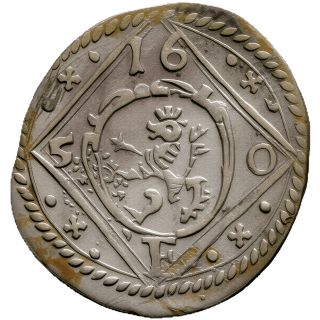
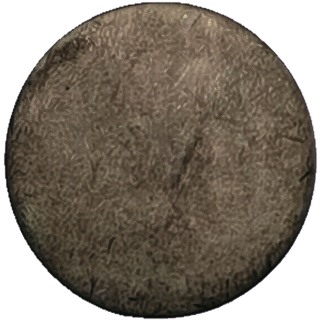
- Design Features: The obverse of the coin features the letter "F," representing the issuer, Austria. The reverse side likely displays intricate heraldic symbols or a numeral, reflecting the coin's denomination. These designs are a testament to the artistic flair prevalent in coin minting during this period.
- Technical Specifications: This silver coin weighs 0.25g with a diameter of 14.00mm, indicating its small denomination and delicate nature. Composed of billon, a silver alloy, the coin's composition adds to its historical and metallurgical appeal.
- Collectible Value: Due to its limited mintage and historical significance, the Austria 1 pfennig coin from 1645-1653 holds considerable collectible value. Numismatists prize it for its rarity within the Holy Roman Empire series, making it a prized addition to any coin collection. Its market value reflects both its historical importance and scarcity, attracting collectors worldwide.
- Conclusion: In conclusion, the Austria 1 pfennig silver coin from 1645-1653 stands as a remarkable numismatic treasure from the Holy Roman Empire era. Its exquisite design, historical context, and scarcity make it a coveted piece for collectors seeking to delve into the rich tapestry of European coinage history. Acquiring this coin not only adds value to a collection but also preserves a tangible link to a bygone era of trade, artistry, and cultural exchange.
Coin Images
 Obverse
 Reverse

ScanMyCoin: AI Coin Recognition
Professional AI coin recognition and collection management platform. Identify, learn, and track your coin collection with advanced AI technology and a vast.