

Austria Austria 150 kreuzer, 1622-1623
Description:
150 kreuzer Austria 150 kreuzer, 1622-1623 coin from Austria. Design, history & value.
Introduction
The Austria 150 kreuzer, minted between 1622 and 1623, stands as a remarkable piece from the Holy Roman Empire, known for its historical significance and captivating design. This silver coin offers a glimpse into the numismatic heritage of Austria during the reign of Ferdinand II.
Historical Background
Issued by the Austrian authorities, the 150 kreuzer coin was part of the monetary system of the Holy Roman Empire, reflecting the economic and political landscape of the early 17th century. These coins played a crucial role in trade and commerce, showcasing the power and influence of the ruling entities.
Coin Images
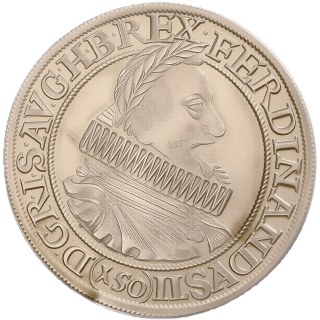 Obverse
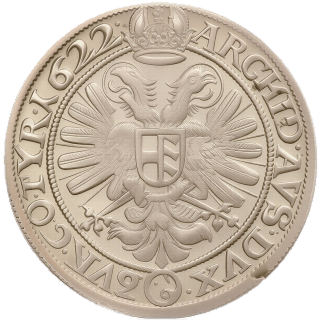 Reverse
Design Features
The obverse of the coin features the inscription "FERDINANDVS II (150) D G R I S A G H B REX," highlighting the name and title of Ferdinand II, the Roman Emperor. On the reverse, you'll find the inscription "ARCHID AVS DVX BVR CO TYR," denoting his various titles and territories.
Technical Specifications
This silver coin weighs 24.00g and has a silver (billon) composition of 0.320. With a diameter and thickness typical of coins from the era, it embodies the standard specifications of currency circulating during the early 17th century.
Collectible Value
The Austria 150 kreuzer coin from 1622-1623 holds significant value among collectors and numismatists. Its historical relevance, coupled with its rarity, contributes to its desirability in the numismatic market. As a piece of the Holy Roman Empire's coinage, it offers a tangible connection to a bygone era, making it a prized addition to any collection.
Conclusion
In conclusion, the Austria 150 kreuzer 1622-1623 silver coin represents a fascinating chapter in the numismatic history of Austria and the Holy Roman Empire. Its intricate design, historical context, and collectible value make it a standout piece for enthusiasts and collectors alike. Owning this coin not only adds diversity to a collection but also preserves a piece of the past for future generations to appreciate.

ScanMyCoin: AI Coin Recognition
Professional AI coin recognition and collection management platform. Identify, learn, and track your coin collection with advanced AI technology and a vast.