
Austria Austria 10 ducat, 1656-1657
Description:
10 ducat Austria 10 ducat, 1656-1657 coin from Austria. Design, history & value.
1. Introduction
The Austria 10 ducat coin minted between 1656-1657 represents a significant piece of numismatic history from the Holy Roman Empire. Known for its intricate designs and historical importance, this coin holds immense value for collectors and enthusiasts alike.
2. Historical Background
Issued by Austria during the reign of Ferdinand III, this coin was a symbol of power and wealth in the Holy Roman Empire during the 17th century. The ducat was a widely circulated denomination, highlighting the economic influence of Austria in that period.
3. Design Features
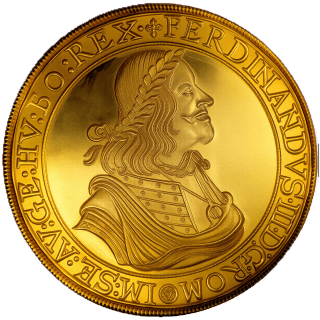
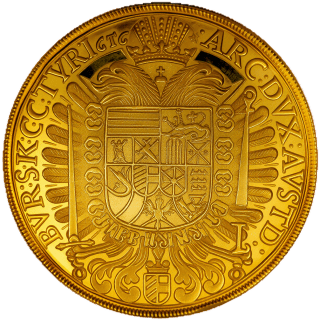
The obverse of the coin features the Latin inscription "FERDINANDVS III D G ROM IM SE AV GE HV BO REX," identifying Ferdinand III as the Roman Emperor, King of Hungary, and Bohemia. The reverse showcases "ARC DVX AVST D BVR S K C C TYR," signifying his titles as Archduke of Austria and Duke of Burgundy.
4. Technical Specifications
This gold coin weighs 35.00g with a diameter of 41.00mm, crafted from gold of 0.986 fineness. The substantial size and high gold content make it a desirable piece for collectors seeking premium quality coins.
5. Collectible Value
The Austria 10 ducat from 1656-1657 holds both historical and monetary value. Due to its rarity and historical significance, this coin is highly sought after by numismatists and collectors. Its exquisite design and limited mintage contribute to its allure as a valuable addition to any collection.
6. Conclusion
In conclusion, the Austria 10 ducat gold coin from 1656-1657 is a remarkable numismatic treasure that encapsulates the grandeur of the Holy Roman Empire. With its intricate designs, historical significance, and collectible value, this coin stands as a testament to the wealth and power of Austria during the 17th century. This detailed article has explored the unique features and historical background of the Austria 10 ducat coin, shedding light on its significance in the world of numismatics.
Coin Images
 Obverse
 Reverse

ScanMyCoin: AI Coin Recognition
Professional AI coin recognition and collection management platform. Identify, learn, and track your coin collection with advanced AI technology and a vast.