

Angola Angola 50 centavos, 1953-1961
Description:
50 centavos Angola 50 centavos, 1953-1961 coin from Angola. Design, history & value.
Introduction
The Angola 50 centavos coin minted between 1953 and 1961 holds a significant place in numismatic history. As a coin from the Portuguese colony era, it represents a unique blend of colonial heritage and numismatic artistry.
Historical Background
During the mid-20th century, Angola, a Portuguese colony, issued the 50 centavos coin as part of its circulating currency. This denomination played a crucial role in everyday transactions within the colony and reflected the economic ties between Angola and Portugal.
Coin Images
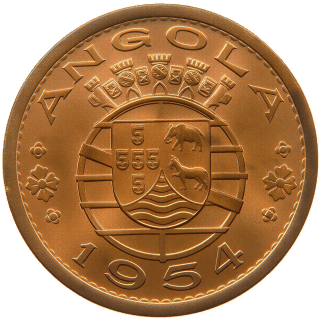 Obverse
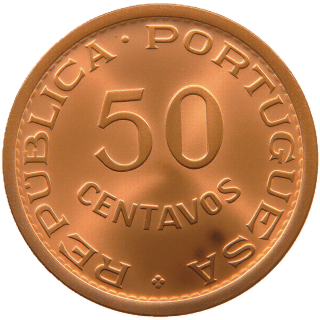 Reverse
Design Features
The obverse of the Angola 50 centavos coin features the bold inscription "ANGOLA," emphasizing the coin's origin. On the reverse, the denomination "50 CENTAVOS" is accompanied by the phrase "REPÚBLICA PORTUGUESA," underscoring Angola's colonial status within the Portuguese Republic.
Technical Specifications
This bronze coin weighs 4.00 grams and has a diameter of 20.00mm. The choice of bronze as the composition metal ensured the coin's durability and distinctive appearance, making it a noteworthy addition to any numismatic collection.
Collectible Value
The Angola 50 centavos coin from 1953 to 1961 holds both historical and collectible significance. Its association with the Portuguese colonial period adds depth to its value, attracting collectors interested in colonial coinage. Due to its limited mintage years, this coin may exhibit varying levels of rarity, further enhancing its desirability among numismatists.
Conclusion
In conclusion, the Angola 50 centavos coin stands as a testament to the colonial history of Angola and its relationship with Portugal. Its unique design, historical context, and collectible value make it a prized possession for both seasoned collectors and enthusiasts seeking to delve into the rich numismatic heritage of African colonies. Acquiring this coin not only adds diversity to a collection but also preserves a piece of history that continues to intrigue and captivate collectors worldwide.

ScanMyCoin: AI Coin Recognition
Professional AI coin recognition and collection management platform. Identify, learn, and track your coin collection with advanced AI technology and a vast.