

Aegina Stater
Description:
Stater Stater coin from Aegina. Design, history & value.
Introduction
The Aegina Stater stands as a remarkable testament to the rich history and cultural significance of ancient Greek coinage. Known for its distinct design and historical importance, this silver coin has captured the interest of numismatists and historians alike. The Aegina Stater not only served as a medium of exchange in its time but continues to be a valuable artifact for collectors today.
Historical Background
Aegina, an island located in the Saronic Gulf of Greece, played a crucial role in early Greek commerce and trade. The strategic position of Aegina facilitated its development as a powerful maritime state, making it one of the earliest Greek city-states to mint its own coinage. The introduction of the Aegina Stater around the 6th century BCE marked a significant advancement in the economic practices of the time. These coins were widely circulated and became a standard in trade, influencing the economies of neighboring regions.
Coin Images
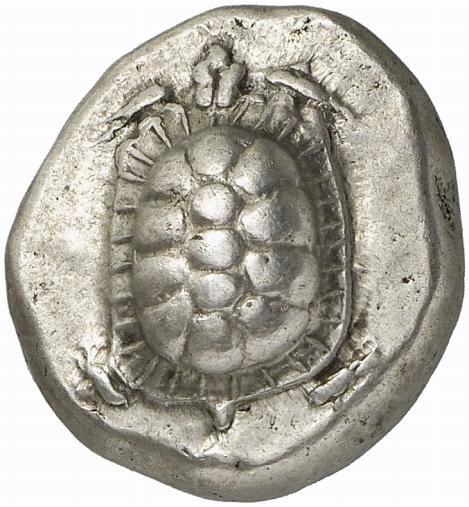 Obverse
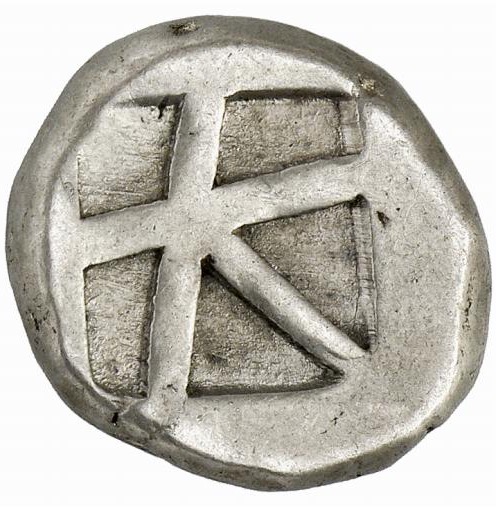 Reverse
Design Features
Obverse Design The obverse of the Aegina Stater is adorned with the image of a land tortoise, a symbol that has become synonymous with the island itself. This distinctive design features a tortoise with a segmented shell, meticulously crafted to reflect the artistic prowess of the period. The tortoise was chosen as an emblem of Aegina, representing the island's naval strength and resilience. Reverse Design The reverse side of the coin presents an incuse square with a skewed pattern, a common feature in early Greek coinage. This design not only provided structural integrity to the coin but also added a unique aesthetic that distinguished it from other regional currencies.
Technical Specifications
The Aegina Stater is composed of silver, a testament to the wealth and resources of Aegina during its peak. Weighing approximately 12.27 grams, this coin conforms to the standards of the time, balancing both utility and beauty. The precise craftsmanship and quality materials used in the stater's production underscore its importance in ancient commerce.
Collectible Value
Today, the Aegina Stater is highly sought after by collectors and historians due to its rarity and historical significance. As one of the earliest examples of Greek coinage, it holds immense value in the numismatic world. Market values for the Aegina Stater can vary significantly based on factors such as condition, provenance, and historical context. Coins in excellent condition or with notable historical associations can command impressive prices at auction, reflecting their status as prized collectibles.
Conclusion
The Aegina Stater is more than just an ancient coin; it is a piece of history that offers insight into the economic and cultural practices of early Greece. Its unique design and historical relevance make it a coveted item for collectors and a subject of fascination for historians. As a symbol of Aegina's maritime prowess and economic ingenuity, the stater remains an enduring icon of ancient Greek civilization.

ScanMyCoin: AI Coin Recognition
Professional AI coin recognition and collection management platform. Identify, learn, and track your coin collection with advanced AI technology and a vast.